November 12, 2026
How to Verify a Designer Ring Is Authentic
By @thejewelryledgernotes
Buying a designer ring is a meaningful purchase, whether it is for an engagement, an anniversary, or a personal milestone. The market for fine jewelry is full of imitations, and even experienced buyers can be misled by a convincing copy. Knowing how to check a ring's authenticity before you buy can save you from a costly mistake. This guide walks you through the practical steps you can take to confirm a designer ring is the real thing.
Start with the Hallmarks and Maker's Marks
The most direct place to begin designer ring authentication is with the marks stamped inside the band. Most established jewelry houses stamp their rings with a maker's mark, a purity hallmark, and sometimes a serial number. Look for these stamps under good light with a loupe or a magnifying glass. The marks should be crisp, evenly spaced, and deeply engraved. Counterfeit rings often have stamps that look shallow, blurry, or slightly off-center.
Each designer uses a specific set of marks. For instance, a ring from a major French house might carry a maker's mark that includes a particular symbol or letter code. The purity mark, such as 750 for 18-karat gold or 950 for platinum, should be clear and match the metal you expect. If the ring is white gold, the stamp should still be present and legible. If you do not see any marks at all, treat that as a serious warning sign. Genuine designer rings are almost never sold without proper stamps.
That said, some older pieces or rings from certain markets may have worn marks. You can still check the general quality of the engraving. Real stamps are made with a laser or a steel punch. They leave a clean, sharp impression. Fakes sometimes use a cheap engraving tool that leaves a rough or uneven line. If the mark looks like it was scratched on with a fine point, that is a red flag.
Check the Serial Number and Documentation
Many designer rings come with a unique serial number engraved on the inside of the band. This number is registered with the brand and can be used to verify the ring's origin. If you are buying a ring that is supposed to be new or pre-owned, ask the seller for the serial number. Then contact the brand's customer service or use their online verification tool if one exists. Not all brands offer this service, but many high-end houses do.
Alongside the serial number, look for a certificate of authenticity. A genuine certificate will include the ring's model number, metal type, gemstone details, and sometimes the date of manufacture. It should be printed on heavy paper or cardstock with the brand's logo and possibly a hologram or watermark. Forums and review sites often discuss what a real certificate for a given brand looks like, so you can compare. If the certificate looks like it was printed on a home printer or has spelling errors, assume the ring is not authentic.
A purchase receipt from an authorized retailer is another strong piece of evidence. It should include the store's name, address, date of purchase, and the ring's serial number. If the seller cannot provide a receipt or offers a vague explanation, proceed with caution. Independent resellers sometimes have receipts that are legitimate, but you should verify the retailer's reputation separately.
Examine the Setting and Craftsmanship
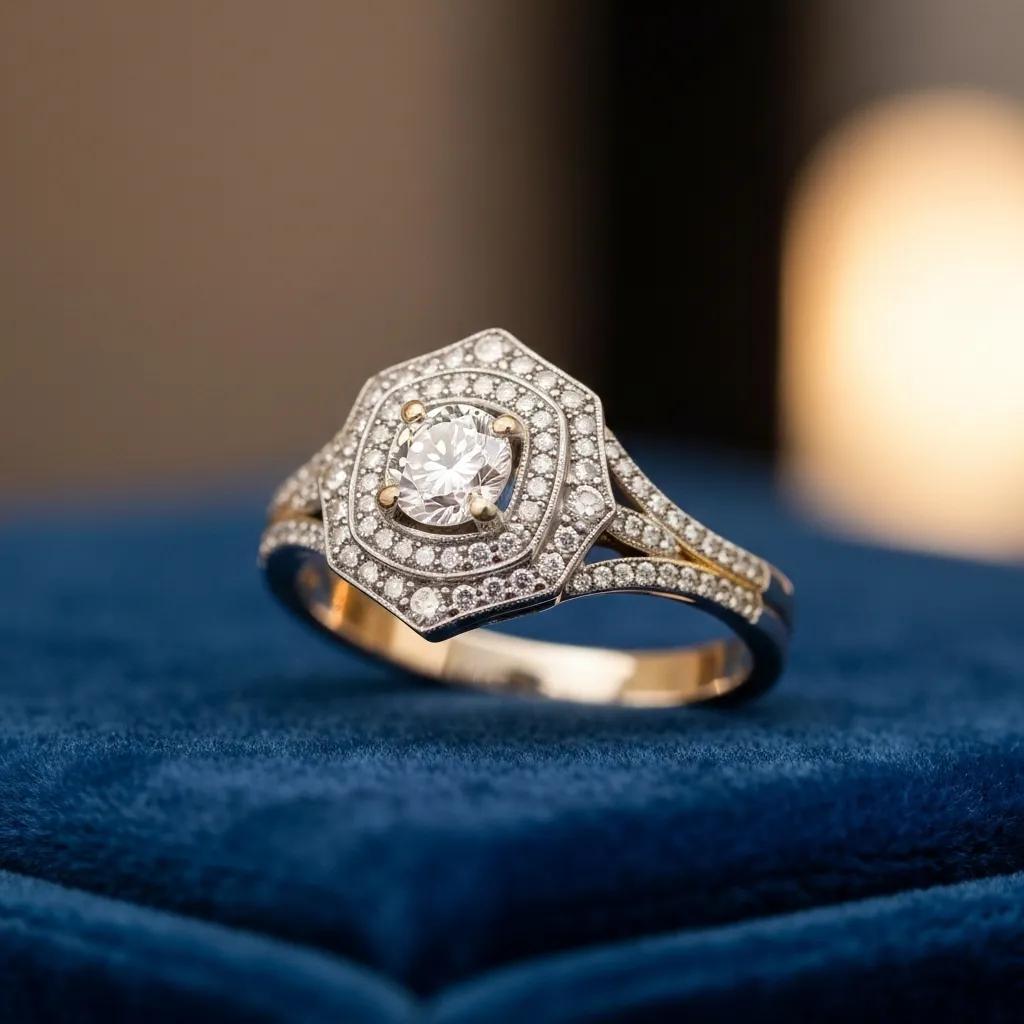
Designer rings are known for their precise craftsmanship. Look at the setting details closely. The prongs that hold a gemstone should be evenly spaced, smooth, and polished. On a fake ring, prongs are often lumpy, uneven, or too thick. The surface of the metal should be consistent in color and finish. Plating on a counterfeit ring may chip or show a different color underneath after a short time.
Check the inside of the band as well. High-end rings are finished inside and out. The interior should feel smooth to the touch, with no rough edges or tool marks. A genuine designer ring will have a polished interior, even in places that are not visible when worn. Fakes often leave the inside rough or with visible casting lines.
The weight of the ring can also tell you something. Precious metals are dense. A ring that feels unusually light for its size may be made of a cheaper alloy plated to look like gold or platinum. You can compare the weight to known specifications for that model if you have access to a jewelry scale. But keep in mind that weight alone is not definitive; some older designs use lighter construction.
Verify the Gemstone Quality
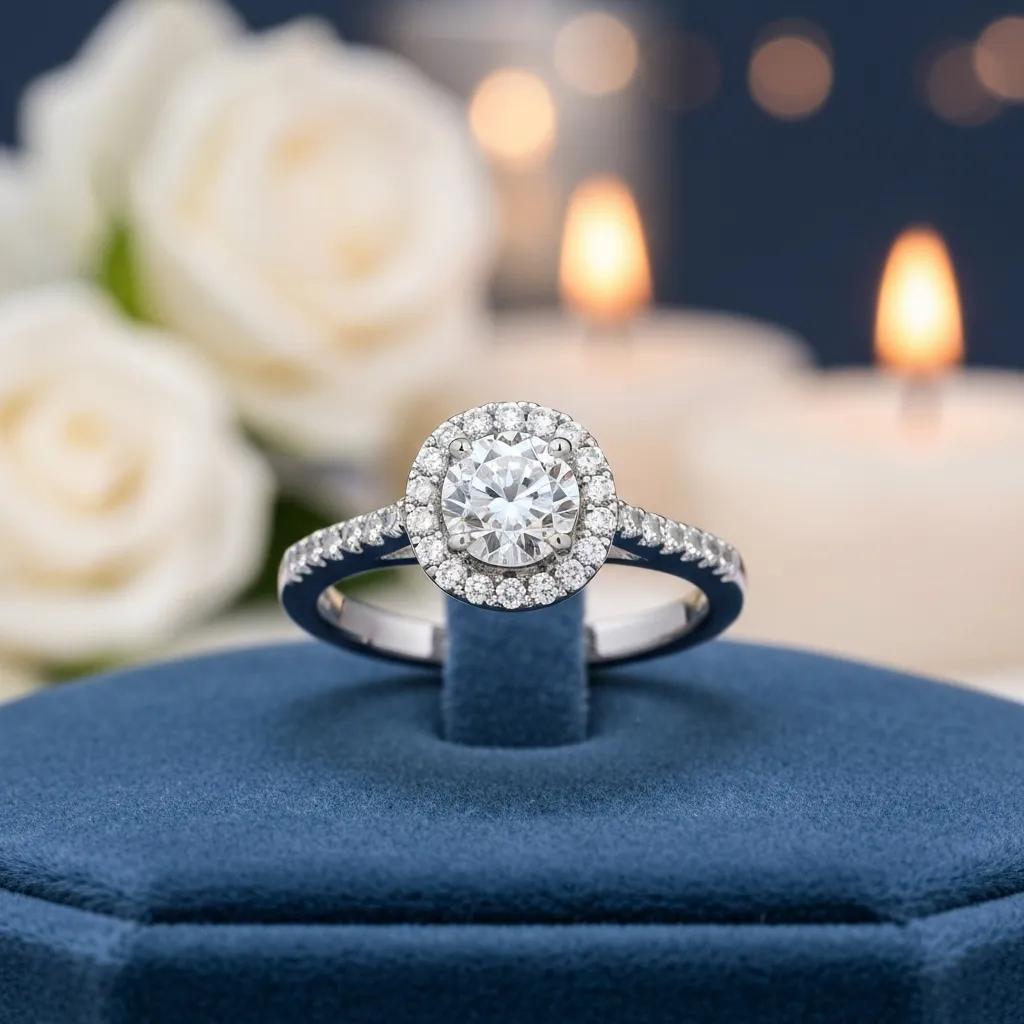
If the ring includes a diamond or another precious stone, the stone itself needs to be checked. For diamonds, look at the stone's clarity and cut under magnification. A genuine diamond from a reputable designer will have a high-quality cut with sharp facets and good symmetry. You can also look for a laser inscription on the girdle of the diamond, which matches its grading report number. Many designers use GIA or AGS certified stones, and the inscription should be visible with a loupe.
For colored gemstones, the color should be even and vibrant. Inclusions are normal in natural stones, but a fake stone often looks too perfect or has bubbles inside if it is glass. A jeweler's loupe or a simple blacklight test can sometimes reveal synthetic stones, but the safest route is to have the stone tested by a professional gemologist. Designer rings rarely use low-grade stones, so if the stone looks cloudy, off-color, or has visible flaws that affect its appearance, question the ring's authenticity.
Get an Independent Appraisal
When you are serious about buying a designer ring, an independent appraisal is the most reliable step. A certified gemologist or appraiser can examine the ring, test the metal, verify the gemstone, and compare the piece to known specifications for that brand. They will provide a written report that includes their findings. This report can also be useful for insurance purposes. The cost of an appraisal is a small fraction of what you might lose on a fake ring. For those who want a thorough check without committing to a full appraisal, some jewelers offer a verification service for a fee. They can check the hallmark, the setting quality, and the stone using their equipment. This is a good middle option if you are buying online or from a private seller.
Websites like Diamond-rings-info provide guidance on what to look for in an appraisal and how to interpret the results. Their resources can help you understand the terminology appraisers use and what the key indicators of authenticity are. Whether you are a first-time buyer or a seasoned collector, having that knowledge in hand makes the verification process smoother.
Understand the Limits of Visual Checks
Visual inspection can catch many fakes, but some counterfeits are very good. They may use real gold and high-quality stones, but the brand markings or setting details are still off. In those cases, the only way to be sure is to compare the ring against a known authentic example. If you have access to a friend's ring of the same model, or if you can visit a retail store to see the real thing in person, do that. Pay attention to small differences: the font of the engraving, the shape of the prongs, the way the band curves.
Another limitation is that some designers produce multiple versions of the same ring over the years. A ring from a vintage line might have different hallmarks than a current model. Research the specific era of the ring you are looking at. Online forums and brand-specific databases can help you match the marks and features to the correct period. If the seller cannot tell you the approximate year of manufacture, that could be a sign that they do not know the ring's history.
Finally, trust your instincts. If the price seems too low for a designer piece, it probably is. Counterfeiters rely on the buyer's desire for a bargain. A ring that is priced at a fraction of retail should be scrutinized extra carefully. That does not mean every deal is a fake, but it does mean you should go through every check on this list before committing.
Keep Your Records
Once you have confirmed that a ring is authentic, keep all the documentation you collected. Store the certificate, receipt, appraisal, and any correspondence with the seller in a safe place. This paperwork will be invaluable if you ever decide to sell the ring or need to make an insurance claim. It also serves as proof of authenticity for future buyers. Resources like Diamond-rings-info offer advice on storing and organizing these records so they are easy to find when you need them.
Authenticating a designer ring takes patience and attention to detail. But the process is straightforward when you know what to look for. Start with the hallmarks, check the serial number, examine the craftsmanship, verify the gemstone, and when in doubt, get an independent opinion. Each step adds a layer of confidence. In the end, knowing that your ring is genuine gives you the peace of mind that comes with a well-made purchase.
❧